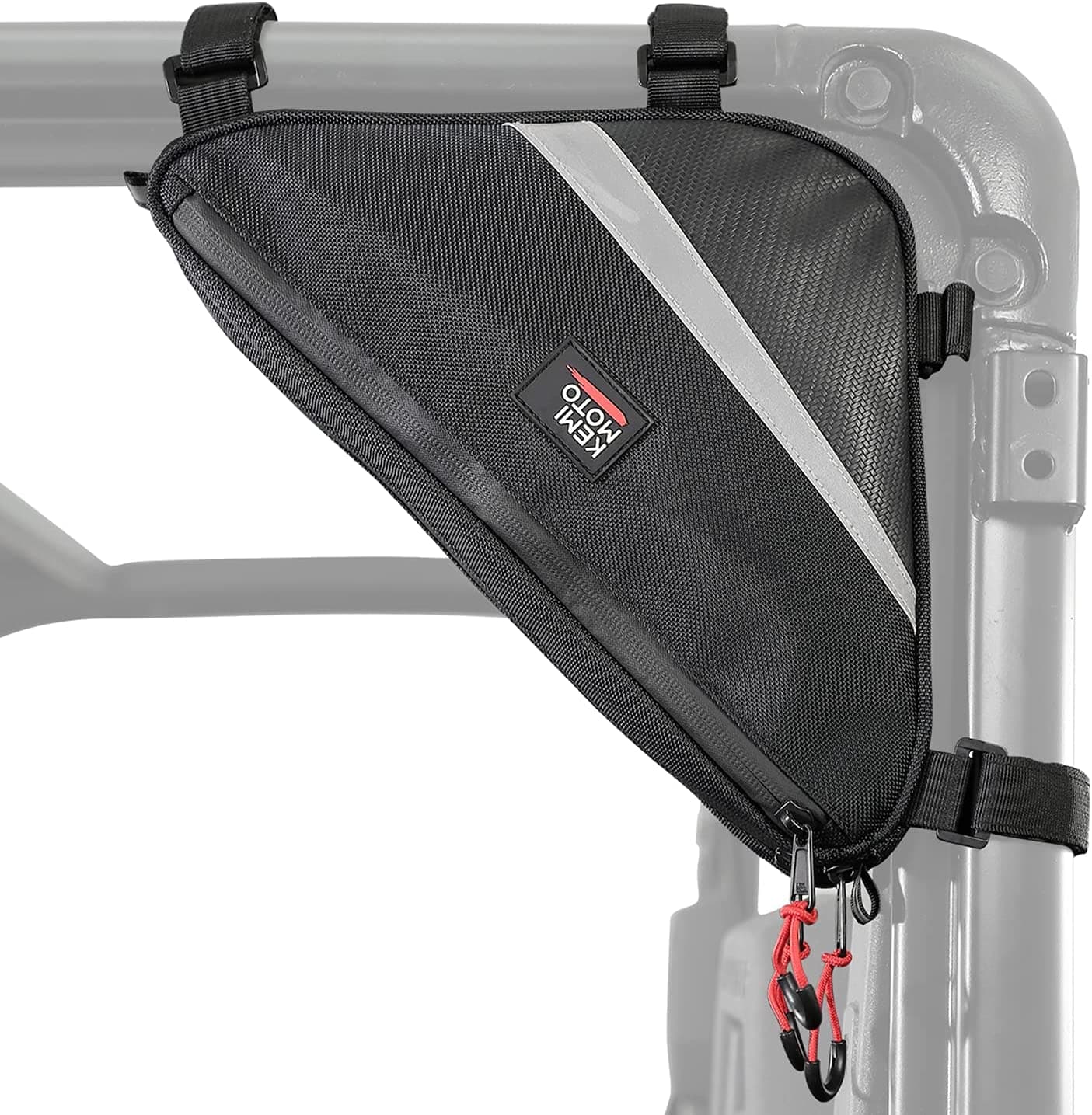
Can-Am Defender MAX storage should help the machine do its regular work better, not simply add another part. For 2017–2026 models used for moving crews, hunting parties, and supplies across large properties, the right choice must fit correctly, survive repeated use, and leave the operator with a machine that is still easy to load, maintain, and control. The longer multi-row chassis carries people well, but accessories must protect passenger space and account for the extended cab.
MAX roofs, doors, windshields, and cage-mounted parts are often longer or use different brackets than two-row Defender parts. That is why every result on this page is filtered for the Can-Am Defender MAX, but the product fitment note still deserves a final check before purchase. Account for the installed roof, windshield, doors, racks, factory options, and any other accessory that shares the same mounting area.
Use the recommendations below to compare products by working value. The goal is to keep tools, recovery equipment, paperwork, optics, and personal gear organized and protected from dust and weather. Choose the simplest setup that handles the real load and conditions; unnecessary size and weight can reduce payload, block useful space, create rattles, or make routine service harder.
Showing storage that fit the 2017–2026 Can-Am Defender MAX
Keep daily tools within reach and reserve deep or under-seat spaces for backup equipment. Compartments prevent small items from becoming noise and clutter. For this Can-Am Defender MAX, max roofs, doors, windshields, and cage-mounted parts are often longer or use different brackets than two-row defender parts.
02
Protect sensitive gear
Choose gasketed, latched storage for electronics, ammunition, and documents. Lockable construction matters when the machine sits away from the house or shop.
03
Preserve machine functions
Confirm the box does not block seat movement, battery service, bed dumping, tie-downs, or future cab accessories. Verify that the product specifically lists the MAX configuration and does not interfere with rear passengers, doors, or seat access.
Fitment and installation
Before you install
Before installation, set out the complete hardware and test-fit the assembly without forcing brackets into position. Verify that the product specifically lists the MAX configuration and does not interfere with rear passengers, doors, or seat access. Follow the product instructions and the vehicle owner's manual, use the stated torque values, protect wiring and hoses from abrasion, and do not drill into the ROPS unless both manufacturers expressly approve it.
After installation, operate every affected seat, door, latch, steering control, bed, and service panel through its full range. Clean seals, drains, and latch points regularly, and verify that mounting hardware is not cracking the box or working loose. Pair sealed storage with an open cargo area or rack so muddy and bulky loads stay separate from tools and sensitive equipment. Save this Can-Am Defender MAX in your garage to keep confirmed-fit products easy to identify as the catalog grows.
+How do I choose storage for a Can-Am Defender MAX?
Confirm the exact 2017–2026 model, cab and seating configuration, then compare usable volume and access, weather resistance and security, seat, bed, and service clearance. Use the fitment details on each product rather than relying on a universal label.
+Will all storage fit every Defender MAX model year?
No. MAX roofs, doors, windshields, and cage-mounted parts are often longer or use different brackets than two-row Defender parts. Check the listed model years and account for factory or aftermarket parts already installed in the same area.
+What should I inspect after installing storage?
Clean seals, drains, and latch points regularly, and verify that mounting hardware is not cracking the box or working loose. Also confirm that steering, braking, passengers, the dump bed, and routine maintenance access remain unaffected.
+What pairs well with storage on a Can-Am Defender MAX?
Pair sealed storage with an open cargo area or rack so muddy and bulky loads stay separate from tools and sensitive equipment. Keep the complete build within the vehicle's payload, towing, and electrical ratings.