Can-Am Defender MAX windshields should help the machine do its regular work better, not simply add another part. For 2017–2026 models used for moving crews, hunting parties, and supplies across large properties, the right choice must fit correctly, survive repeated use, and leave the operator with a machine that is still easy to load, maintain, and control. The longer multi-row chassis carries people well, but accessories must protect passenger space and account for the extended cab.
MAX roofs, doors, windshields, and cage-mounted parts are often longer or use different brackets than two-row Defender parts. That is why every result on this page is filtered for the Can-Am Defender MAX, but the product fitment note still deserves a final check before purchase. Account for the installed roof, windshield, doors, racks, factory options, and any other accessory that shares the same mounting area.
Use the recommendations below to compare products by working value. The goal is to control dust, wind, branches, rain, and cold air without making the cab uncomfortable in warm weather. Choose the simplest setup that handles the real load and conditions; unnecessary size and weight can reduce payload, block useful space, create rattles, or make routine service harder.
Showing windshields that fit the 2017–2026 Can-Am Defender MAX
Glass stays clear longer and accepts a wiper; hard-coated polycarbonate is lighter and handles impacts well. Avoid untreated plastic for brush-heavy work. For this Can-Am Defender MAX, max roofs, doors, windshields, and cage-mounted parts are often longer or use different brackets than two-row defender parts.
02
Choose an airflow strategy
A vented or flip-up design gives useful summer airflow. A fixed full panel blocks wind but can pull dust forward unless the rear of the cab is managed.
03
Check the complete seal
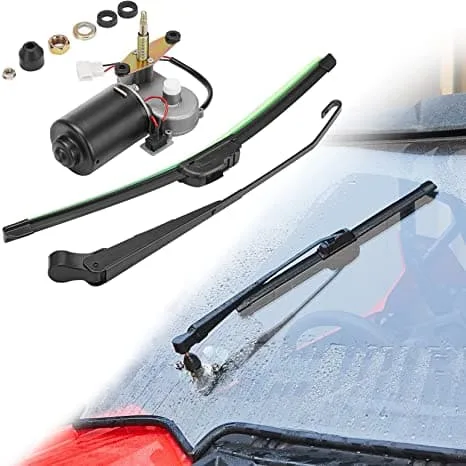
Confirm the top edge matches the installed roof and that mirrors, doors, vents, and wiper hardware can move without contacting the panel. Verify that the product specifically lists the MAX configuration and does not interfere with rear passengers, doors, or seat access.
Fitment and installation
Before you install
Before installation, set out the complete hardware and test-fit the assembly without forcing brackets into position. Verify that the product specifically lists the MAX configuration and does not interfere with rear passengers, doors, or seat access. Follow the product instructions and the vehicle owner's manual, use the stated torque values, protect wiring and hoses from abrasion, and do not drill into the ROPS unless both manufacturers expressly approve it.
After installation, operate every affected seat, door, latch, steering control, bed, and service panel through its full range. Rinse grit before wiping, use material-safe cleaner, and inspect clamps and seals after limb strikes or sustained rough travel. A compatible roof and rear windscreen often improve weather protection and cabin airflow more than the windshield alone. Save this Can-Am Defender MAX in your garage to keep confirmed-fit products easy to identify as the catalog grows.
+How do I choose windshields for a Can-Am Defender MAX?
Confirm the exact 2017–2026 model, cab and seating configuration, then compare material and scratch resistance, airflow and dust behavior, roof, wiper, and seal compatibility. Use the fitment details on each product rather than relying on a universal label.
+Will all windshields fit every Defender MAX model year?
No. MAX roofs, doors, windshields, and cage-mounted parts are often longer or use different brackets than two-row Defender parts. Check the listed model years and account for factory or aftermarket parts already installed in the same area.
+What should I inspect after installing windshields?
Rinse grit before wiping, use material-safe cleaner, and inspect clamps and seals after limb strikes or sustained rough travel. Also confirm that steering, braking, passengers, the dump bed, and routine maintenance access remain unaffected.
+What pairs well with windshields on a Can-Am Defender MAX?
A compatible roof and rear windscreen often improve weather protection and cabin airflow more than the windshield alone. Keep the complete build within the vehicle's payload, towing, and electrical ratings.